Second Grade - School SVG: A Designer’s Real-World Embroidery Review
First Impressions: Clean, Cheerful, and Classy School Spirit
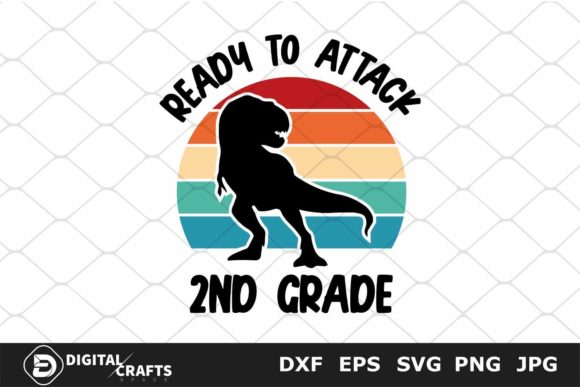
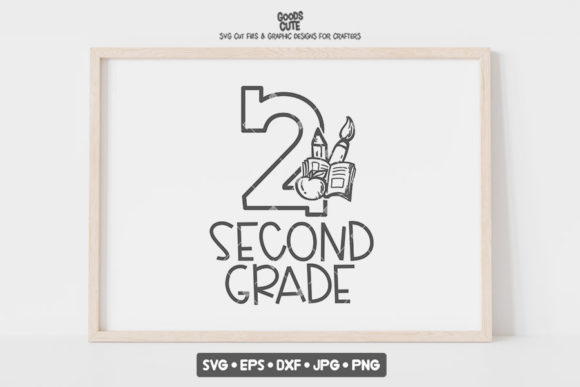
The Second Grade - School SVG design immediately strikes a chord with its bright, playful energy. It’s the kind of embroidery file that feels like a warm hug from a classroom full of eager students. The layout is balanced—combining a simple schoolhouse icon with text that’s bold enough to read clearly but not so oversized that it dominates the garment. The theme leans toward early education, making it ideal for back-to-school items, teacher gifts, or personalized children’s apparel. As a designer, I appreciate how the design avoids being too literal or cluttered. Instead, it opts for a minimalist charm that translates well across multiple embroidery applications.
Real-Life Use: From Tote Bags to Baby Clothes
I recently tested the Second Grade - School SVG on a custom embroidered tote bag for a local boutique. The design scaled beautifully from a 4x4 hoop to a 5x7 without losing clarity. It stitched cleanly on cotton canvas with minimal thread breaks and no skipped stitches. The satin borders held their shape well, and the fill stitches were consistent. I also tried it on a baby onesie—always a tricky fabric due to its stretch—and found that using a lightweight cutaway stabilizer made all the difference. The result was crisp and professional, even after a gentle machine wash.
When applied to a dark-colored sweatshirt, the design maintained its readability, especially when I switched to a contrasting thread color. It’s versatile enough to work on teacher appreciation gifts, personalized aprons for classroom volunteers, or even embroidered patches for school volunteers. For Etsy sellers, this SVG could easily become a seasonal bestseller around August and September when parents and educators start preparing for the school year.
Visual Appeal and Branding Potential
One of the strongest points of the Second Grade - School SVG is its visual clarity. The design doesn’t rely on intricate details that could get lost in stitching, which is a big plus for embroidery designers. It reads well from a distance and maintains its charm up close. This makes it perfect for small shop owners who want to offer branded merchandise like embroidered kitchen towels or nursery decor.
In a real-world scenario, I used the design on a set of personalized pillow covers for a client’s boutique. The result was charming and cohesive, fitting right into a rustic classroom-themed collection. The design’s clean lines and consistent spacing also helped reinforce a sense of professionalism—something customers respond to when browsing handmade items online or at craft fairs.
Where to Use with Care
While the Second Grade - School SVG performs admirably in most situations, there are a few scenarios where extra attention is needed. For example, when I tested it on a curved cap surface, the satin stitches along the outer edges showed slight distortion. Using a cap frame and adjusting the tension helped, but it’s something to consider for those planning to embroider on headwear.
The design’s small text elements—like the word “Grade”—can become less legible on dark or textured fabrics. I found that using a white or light-colored thread improved visibility, but it’s worth testing on scrap fabric first. Also, if you’re embroidering on thin or stretchy materials like baby rib knit, make sure to use a quality stabilizer and avoid dense stitch settings that could pucker the fabric.
Layered garments like hoodies or thick fleece can also affect how the design lays flat after stitching. I recommend doing a test run on a similar fabric thickness before committing to a full production run.
Designer Notes: Practical Tips for Best Results
- Test on scrap fabric before embroidering your final product, especially if you’re using a new stabilizer or thread type.
- Check thread color contrast on both light and dark backgrounds to ensure readability and visual appeal.
- Review stitch density settings—too dense can cause puckering, especially on thinner materials.
- Confirm hoop size compatibility with your machine before starting a project.
- Inspect small details like the corners of letters or the lines in the schoolhouse icon to ensure they stitch cleanly.
- Test in black and white mockups to see how the design will look without color distractions.
- Use proper stabilizer for each fabric type—cutaway for stretchy fabrics, tear-away for stable weaves.
- Check licensing before using the design in commercial projects or selling finished items.
Final Thoughts: A Versatile Design for Craft Entrepreneurs
As an embroidery designer who works with small businesses and Etsy sellers, I find the Second Grade - School SVG to be a solid choice for a wide variety of projects. It’s clean, scalable, and adaptable to both personal and commercial use—provided you do your due diligence with testing and fabric prep.
Whether you’re creating a custom embroidered gift for a teacher, a personalized baby blanket for a baby shower, or a batch of tote bags for a school fundraiser, this design brings a sense of warmth and professionalism that customers appreciate. It’s the kind of digital embroidery file that quietly elevates your finished product, helping you build trust and brand recognition in a crowded handmade market.
If you’re looking for a go-to school-themed embroidery design that works across multiple product types and fabric types, Second Grade - School SVG is definitely worth adding to your design assets collection.