Get Your Cray On: Teacher SVG Design Review
As an embroidery digitizer and product reviewer, I approach every new graphic with a specific question: will this actually stitch out cleanly on fabric? When evaluating the Teacher Svg Design. Get Your Cray on, my focus shifts immediately from screen aesthetics to needle performance. This design captures a playful, nostalgic mood that resonates deeply with educators and parents, but translating that whimsy into a durable machine embroidery design requires careful consideration of structure and application.
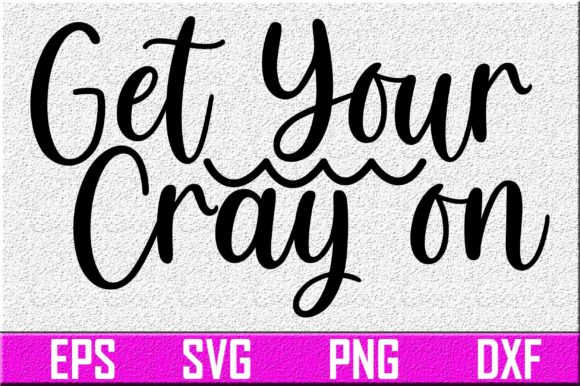
The phrase "Get Your Cray On" evokes creativity and childhood energy. Visually, designs in this category typically feature bold, hand-lettered typography paired with crayon or art supply motifs. For a craft business or Etsy seller, this theme is evergreen. It fits perfectly into back-to-school collections, teacher appreciation gifts, and classroom decor. However, as a professional, I look beyond the cute factor. I need to know if the lines are crisp enough for embroidery, if the text is legible at smaller sizes, and how the included file formats—SVG, PNG, DXF, and EPS—will serve both digital creators and those of us running commercial embroidery machines.
Real-World Application: The Teacher Tote Bag Test
To truly judge the viability of Teacher Svg Design. Get Your Cray on, I mentally place it on a canvas tote bag intended for a client who is a kindergarten teacher. Tote bags are high-wear items; they get thrown in cars, stuffed with books, and washed frequently. This makes them the ultimate stress test for any tote bag design.
In this scenario, the design needs to be more than just a pretty graphic; it must be structurally sound. If the lettering in "Get Your Cray On" uses thin, sketchy lines to mimic actual crayon marks, I immediately worry about stitch integrity on canvas. Canvas has a coarse weave. If the running stitch or satin stitch columns are too narrow, the needle might push the fabric aside rather than piercing it cleanly, leading to jagged edges or thread breaks during production. Conversely, if the design relies on heavy fill stitch areas to create solid crayon shapes, I have to consider stitch density. Too dense, and the tote bag becomes stiff and bulletproof; too sparse, and the canvas texture shows through, making the finished product look cheap.
For this specific project, I would likely resize the design to fit a 5x7 hoop, ensuring the text remains above 0.25 inches in height. Anything smaller risks losing clarity when stitched on textured canvas. The goal is a personalized gift that feels handmade yet professional, not something that looks like a failed experiment.
Versatility Across Apparel and Accessories
Beyond tote bags, this design asset holds significant potential for custom apparel. A crewneck sweatshirt featuring Teacher Svg Design. Get Your Cray on is a staple for school staff. Sweatshirt fleece is forgiving and stable, making it an ideal canvas for this type of graphic. Here, the playful nature of the design can shine without the structural challenges of woven fabrics. The soft texture of fleece complements the "crayon" aesthetic, allowing for slightly bolder colors and smoother stitch-outs.
I also see strong potential for baby embroidery projects, such as bibs or onesies for teachers' children or classroom babies. However, this requires caution. Baby items demand safety and comfort. If the design includes detached elements or overly dense stitching, it could pose a choking hazard or irritate sensitive skin. In these cases, verifying that the embroidery file has proper underlay and secure tacking stitches is non-negotiable. For holiday embroidery or end-of-year gifts, this design transitions easily from apparel to home goods like tea towels or pillow covers, provided the stabilizer choice matches the fabric weight.
Critical Constraints: Where to Proceed with Caution
While Teacher Svg Design. Get Your Cray on is versatile, it is not universally applicable. As an experienced designer, I advise against using this specific style on highly stretchy performance wear unless you have tested it extensively. The combination of playful, potentially irregular lettering and stretch fabric is a recipe for distortion. Even with cutaway stabilizer, the tension required for satin stitches can warp the garment.
Dark fabrics present another challenge. If the design relies on light-colored crayons or white chalk-style text, you must ensure adequate contrast. Embroidery thread has sheen; what looks readable on a screen might disappear on navy cotton. Always run a printable mockup or a physical test stitch on dark fabric before committing to a bulk order for a small shop product. Additionally, avoid placing detailed corners of this design near seams or collar bones. The bulk of multiple stitch layers in tight spaces can cause puckering that no amount of steaming will fix.
Caps and curved surfaces require special scrutiny. Unless the design has been specifically digitized for caps (with bottom-up stitching and open centers), forcing a flat digital embroidery file onto a curved brim will result in registration errors. The "Cray On" text might separate from the graphic elements, ruining the visual cohesion.
Technical Notes for Makers and Sellers
The product description notes that you receive a ZIP folder containing SVG, PNG, DXF, and EPS files. It is vital to understand what this means for your workflow. These are primarily vector and raster graphics, not pre-digitized embroidery files like DST or PES. For Etsy sellers and digital product vendors, this is excellent news; the SVG and EPS files allow for infinite scaling for vinyl cutting, sublimation, or print-on-demand design assets. The PNG serves well for web listings and mockups.
However, for embroidery professionals, this means you must either digitize the design yourself or purchase a converted embroidery file. Do not attempt to auto-digitize complex script or artistic crayon textures without manual cleanup. Auto-digitizing often misinterprets artistic shading as fill patterns, resulting in excessive jump stitches and poor coverage. If you are creating an applique design version to reduce stitch count on larger items like blankets, use the SVG as a precise cutting template for your vinyl cutter or laser, then manually program the placement and tack-down stitches.
Before listing any handmade product featuring this design, confirm your licensing rights. Just because you bought the graphic does not automatically grant permission to sell finished embroidered goods or resell the digital files. Respecting intellectual property builds customer trust and protects your craft business reputation.
Elevating Product Value Through Execution
Ultimately, the success of Teacher Svg Design. Get Your Cray on depends on execution. A beautifully digitized version on quality fabric elevates perceived value instantly. Customers recognize the difference between a generic, puckered stitch-out and a thoughtful, professionally executed embroidered patch or garment. When the stitch density is balanced, the thread colors pop against the fabric, and the layout respects the garment's anatomy, the design communicates care and quality.
For commercial embroidery shops, consistency is key. Document your successful settings—hoop size, stabilizer type, needle size, and thread brand—for this specific design. This ensures that the tenth tote bag looks identical to the first. For hobbyists and makers, take the time to test on scrap fabric. Check black and white mockups to verify contrast. Inspect small details under magnification if necessary. These extra steps transform a simple graphic file into a cherished personalized gift or a best-selling boutique item. By treating Teacher Svg Design. Get Your Cray on with technical respect and creative intention, you honor both the original artist's vision and the end user's expectations.